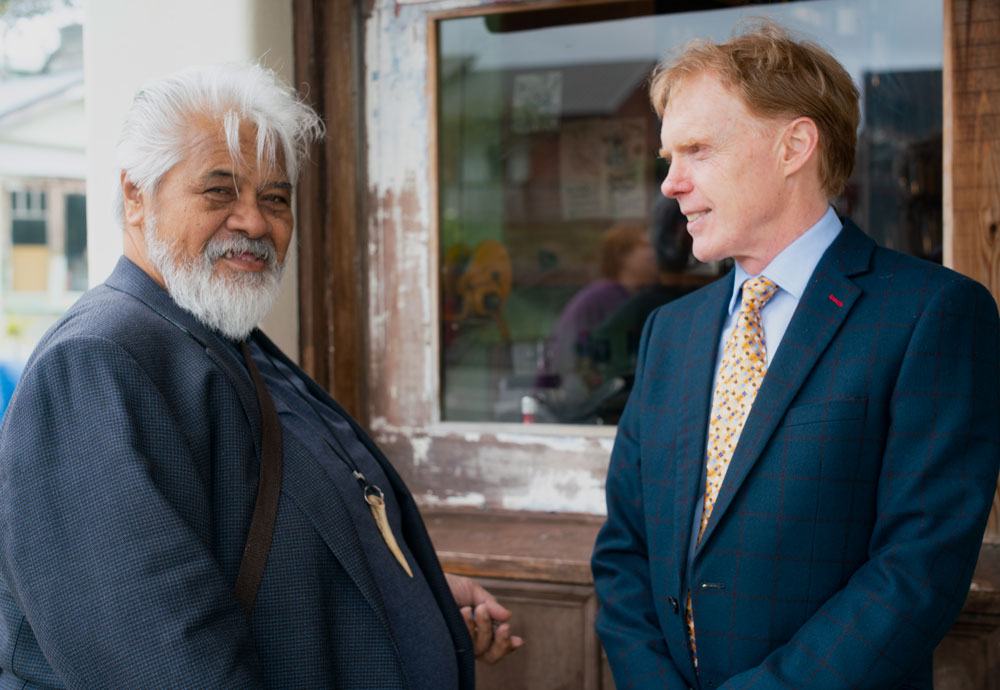
Books by Wiremu NiaNia, Allister Bush and David Epston
Buy books below
These two books, by Wiremu NiaNia, Allister Bush and David Epston are available to order on the Routledge website or by ordering directly from a New Zealand retailer via the internet. They have a New Zealand discounted price.
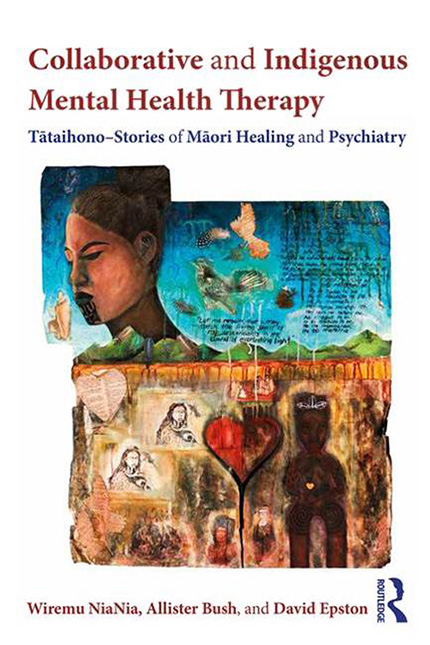
Collaborative and Indigenous Mental Health Therapy: Tātaihono – Stories of Māori Healing and Psychiatry
Collaborative and Indigenous Mental Health Therapy: Tātaihono – Stories of Māori Healing and Psychiatry was published in 2017. It documents the Māori Healing and Psychiatry partnership that Wiremu and Allister developed at Te Whare Mārie, the kaupapa Māori Mental Health service, part of Te Whatu Ora and based in Porirua. It describes true case stories of young people and their whānau who had distressing problems that appeared psychiatric. However, Wiremu as a tohunga (Māori healer) was able to shed light on their predicaments from his Māori healing perspective and his intervention in collaboration with Allister resulted in resolution of their symptoms and difficulties. The stories are told from the points of view of the young people, their whānau members, Allister as their child and adolescent psychiatrist and Wiremu as their Māori healer.
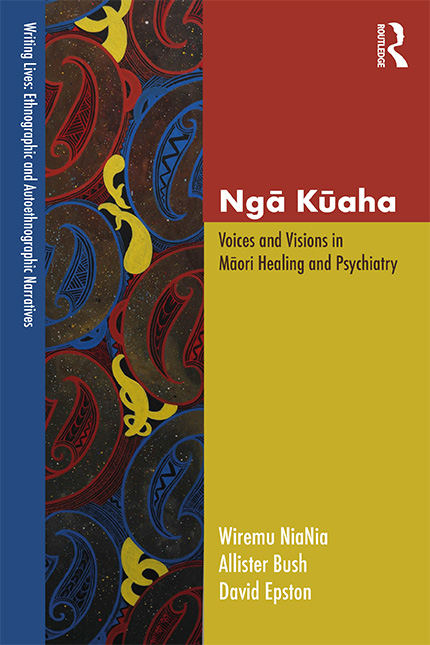
Ngā Kūaha: Voices and Visions in Māori Healing and Psychiatry
Ngā Kūaha: Voices and Visions in Māori Healing and Psychiatry was published in 2025. This book examines concepts of voices and visions from Wiremu’s point of view as a Māori healer and Allister’s point of view as a psychiatrist. It outlines the colonial history that explains the silencing of Māori perspectives on voices and visions in mainstream mental health care in Aotearoa and includes stories of people that Wiremu and Allister worked with together, who experienced voices and visions and benefited from Wiremu’s intervention as a Māori healer. This book is relevant for EMDR therapists as it carefully looks at the intersection between voices and visions that could be interpreted as dissociative, psychotic or spiritual and offers guidance on how to distinguish between psychological and spiritual origins of voices and visions. It describes Wiremu’s wisdom on key concepts to help assist people who may be experiencing spiritual distress.